Bugis Art and Culture: A Personal Guide to Singapore’s Hidden Gems

When I first wandered through Bugis, I felt as though the neighborhood was alive with stories waiting to be discovered. Bugis is not just a part of Singapore; it is a vibrant canvas where art, history, and culture intersect. Every corner reveals unexpected, colorful murals on heritage buildings, street art tucked into quiet alleyways, and glimpses of traditions that have shaped this community for generations.
Exploring Bugis art is like walking through a living gallery. The murals reflect the neighborhood’s multicultural past, while the architecture tells stories of traders, artisans, and families who have called Bugis home. These artistic expressions are more than decoration; they are windows into the cultural heartbeat of Bugis.
But Bugis is not only about the art you can see. Its culture is experienced in the rhythm of daily life. From morning market routines to local festivals and the diverse food scene, Bugis culture offers a blend of Malay, Chinese, Indian, and global influences. Each interaction, each sensory detail, reveals how art and culture coexist naturally, making Bugis a neighborhood full of depth and character.
Table of Contents
ToggleBugis Art: Exploring Every Layer of Creativity
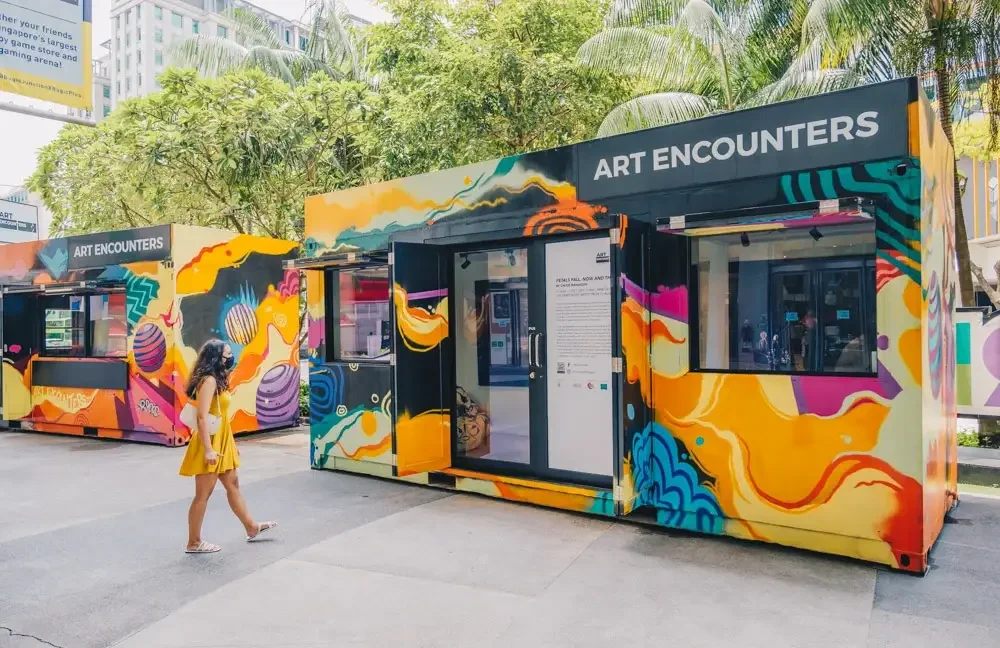
Walking through Bugis, I realized that art is everywhere, not confined to galleries or museums. From the colorful street murals to the intricate details on shophouses, temples, mosques, and even small everyday objects, the neighborhood itself feels like a living gallery. Every corner tells a story, reflecting the heritage, daily life, and creative spirit of the people who live here.
Street Murals: Stories Painted on Walls
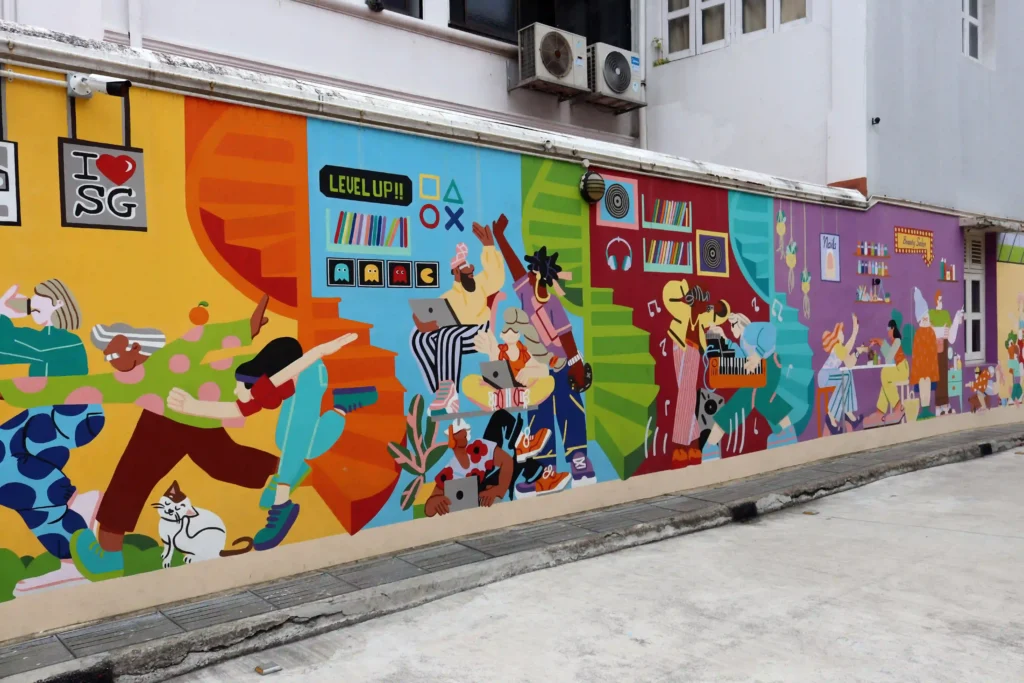
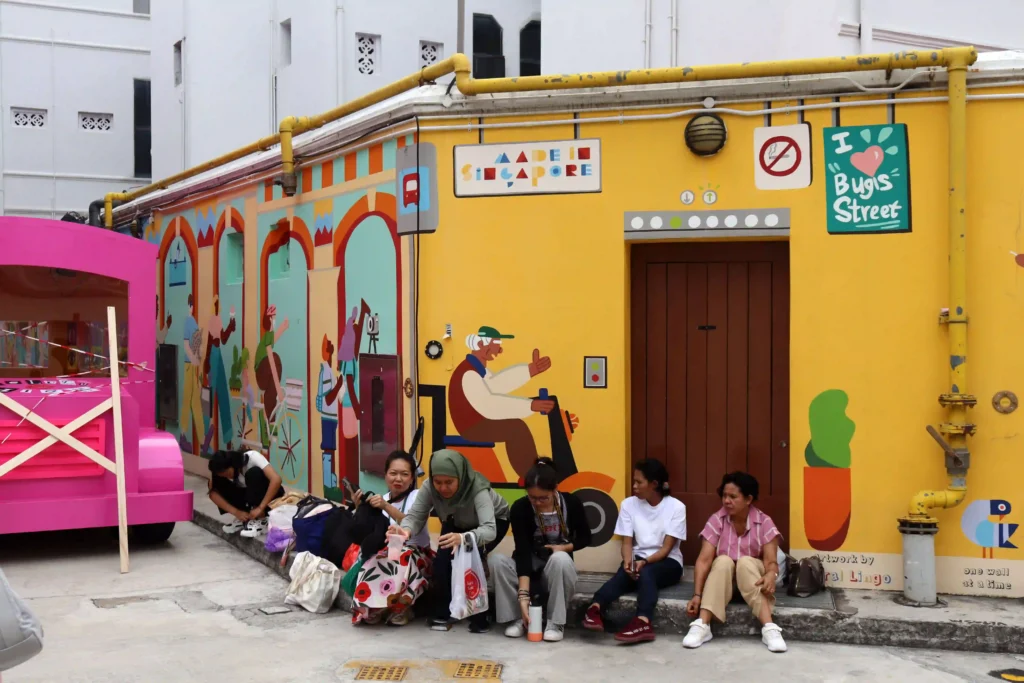
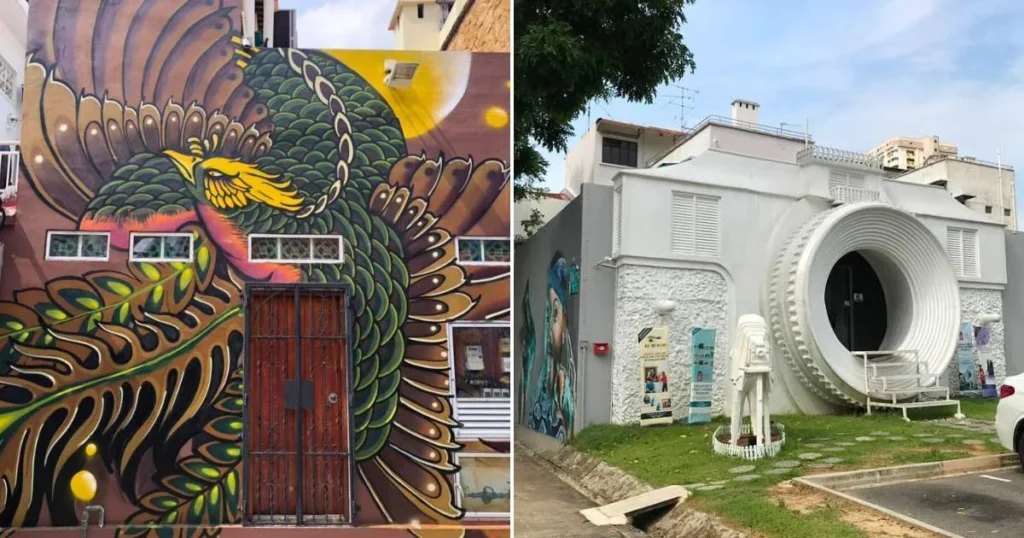
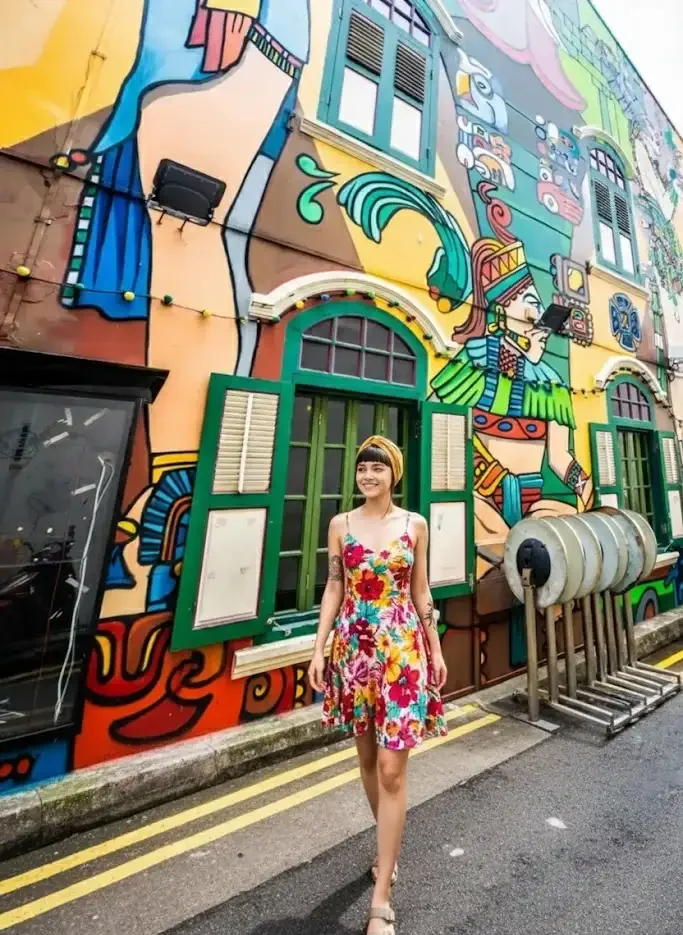
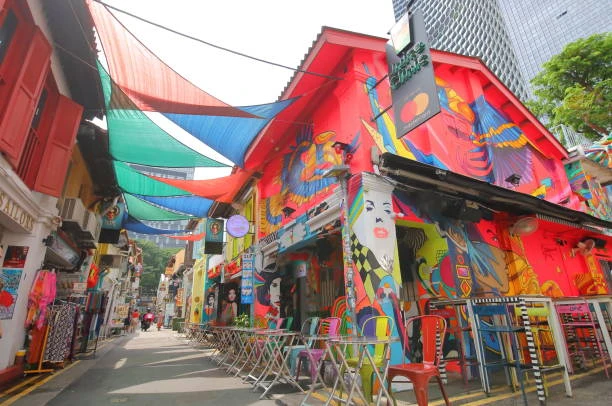
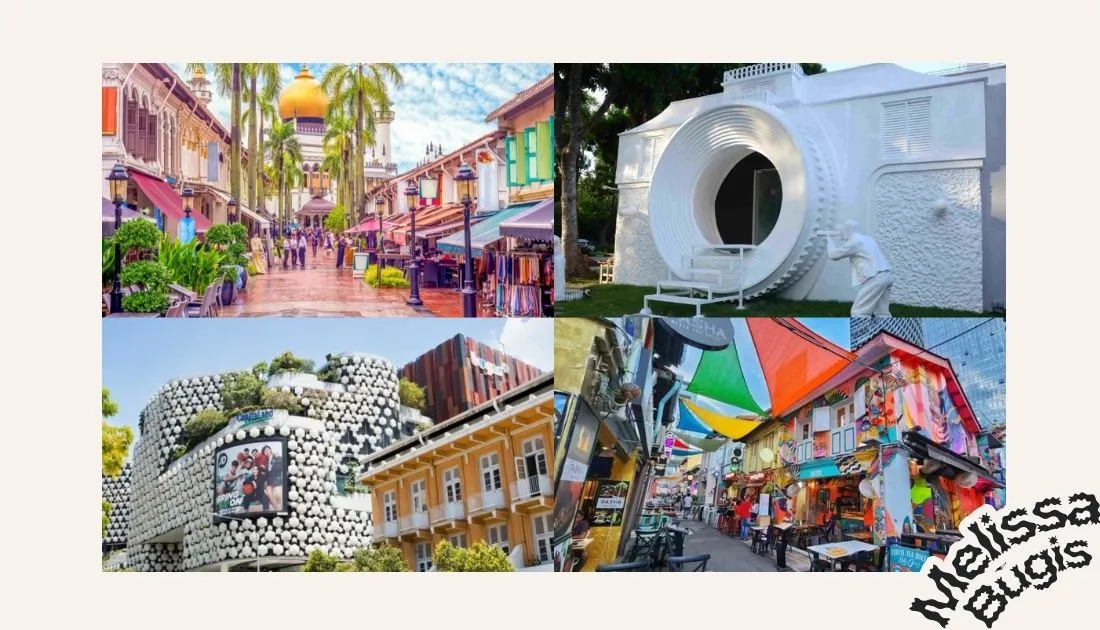
The first thing that caught my eye was the street murals. Walking down narrow alleys, I discovered vibrant paintings depicting local markets, street vendors, and everyday moments. These murals are more than decoration; they are visual storytelling, capturing the lives and traditions of Bugis residents.
Some murals incorporate patterns inspired by Malay, Chinese, and Indian cultures, reflecting the neighborhood’s multicultural roots. Others blend contemporary styles, creating a dialogue between past and present. I found myself stopping repeatedly, noticing little details in each mural: a child chasing a bird, a vendor arranging fruits, or a traditional game being played, each telling its own story.
Heritage Shophouses: Architectural Art in Everyday Life
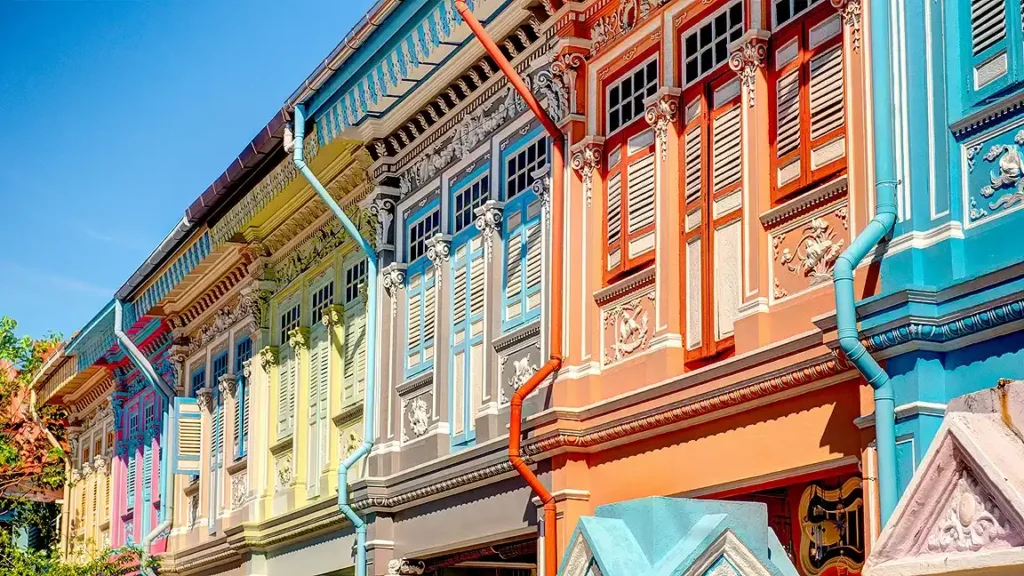
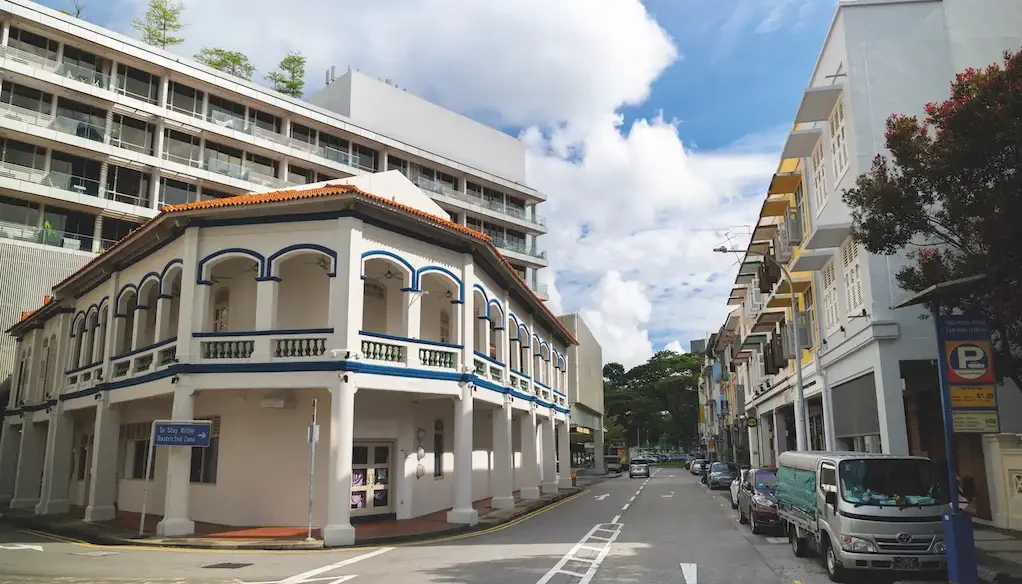
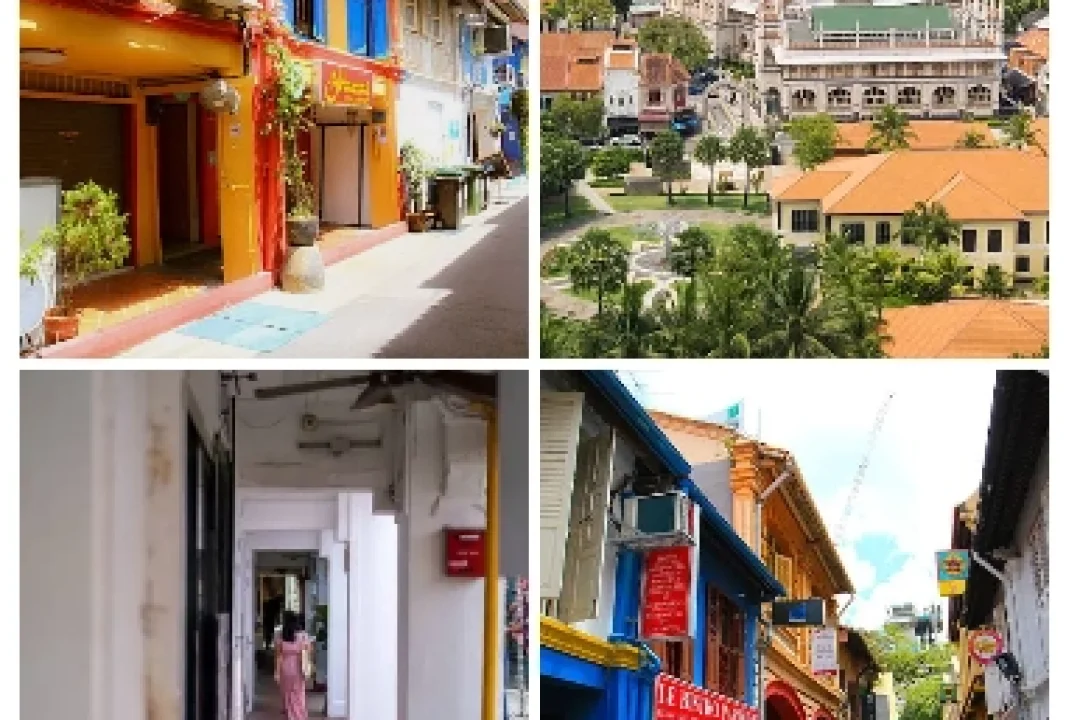
Bugis’s shophouses are a unique form of art. Walking past them, I noticed the intricate facades, carved doors, and painted shutters, each telling a story of generations past. The vibrant tiles and traditional colors add character, creating a sense of continuity between old and new.
These buildings are functional homes and shops, yet every detail from the floral patterns on window frames to the symmetry of the tiled roofs shows a careful attention to aesthetics. Observing them felt like reading a living history book, where each architectural choice reflects the values and creativity of the community.
Temples and Mosques as Artistic Expressions
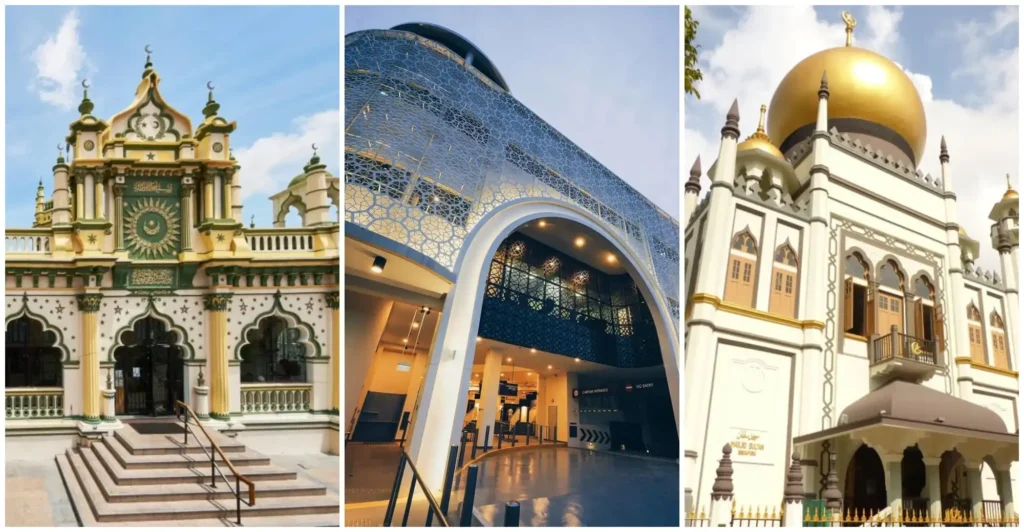
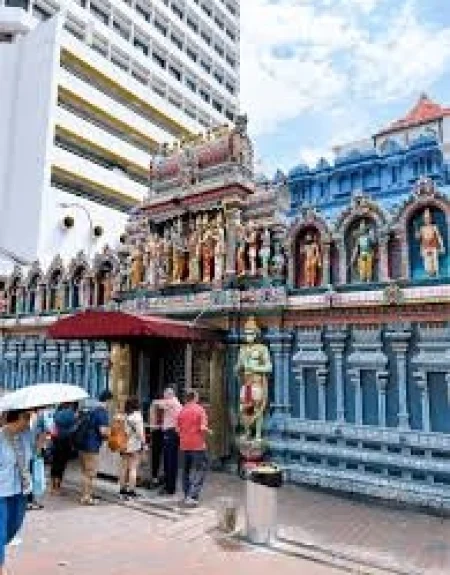
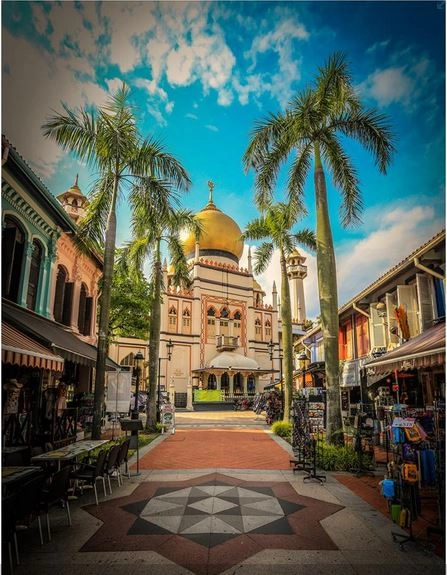
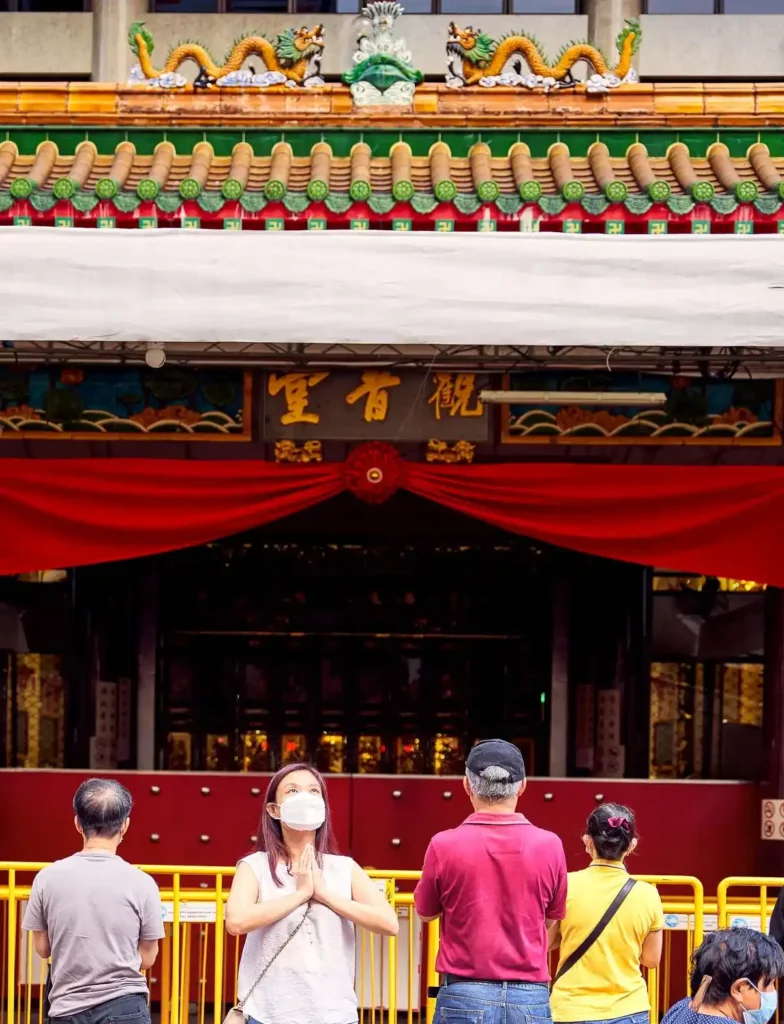
Art in Bugis extends to temples and mosques, each showcasing unique craftsmanship. Some of the notable sacred spaces I visited include Sri Krishnan Temple, Kwan Im Thong Hood Cho Temple, Sri Layan Sithi Vinayagar Temple, and nearby Masjid Sultan.
Each of these places is adorned with intricate carvings, painted ceilings, and decorative sculptures. Visiting these sacred spaces, I noticed that art serves both a spiritual and aesthetic purpose, connecting the community with tradition while displaying exceptional creative detail.
Craftsmanship in Daily Objects
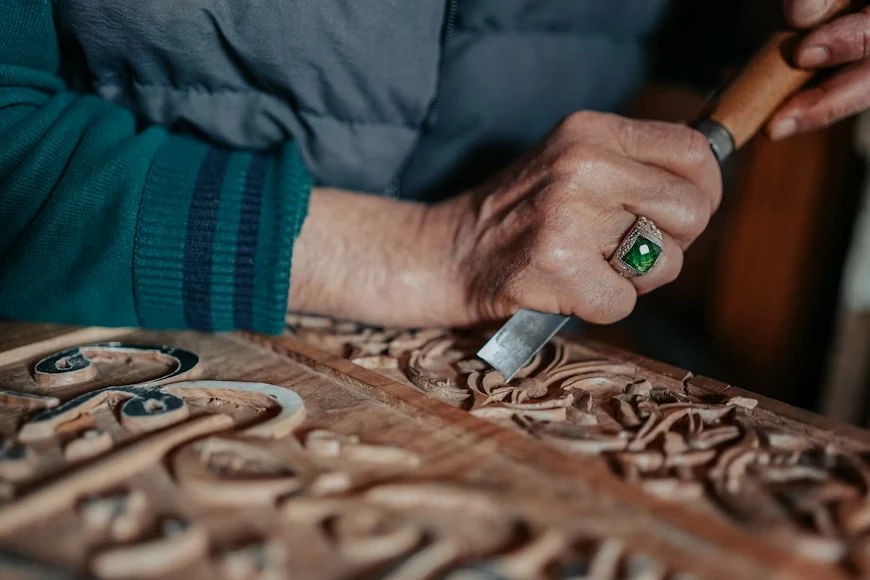
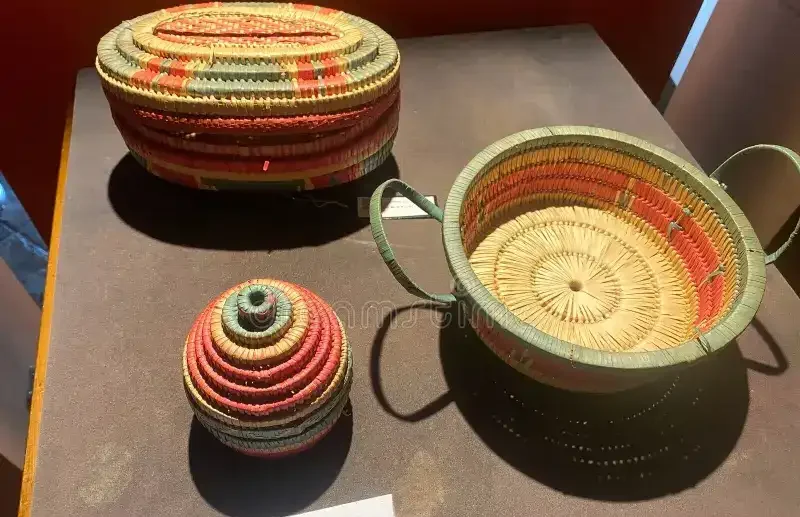
One of the most charming discoveries was the artistry in everyday objects. Hand-painted signboards, woven textiles, and carved wooden items are all part of Bugis’s creative landscape.
Even simple market items like baskets, trays, or souvenirs carry artistic details, showing that art is not only for galleries, it’s woven into the daily lives of the people. Watching local craftsmen at work, I realized how much dedication goes into every small piece, preserving techniques passed down through generations.
Culinary Art: Food as a Canvas
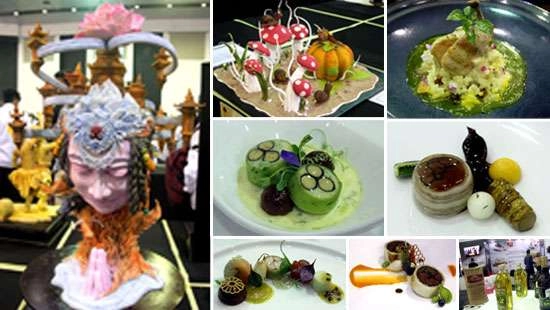
In Bugis, food is a form of art. Traditional dishes are presented with vibrant colors and careful arrangements that reflect cultural values. Street vendors take pride in arranging ingredients with precision, making even simple meals visually appealing.
Desserts and sweets, in particular, are often crafted with intricate designs, blending creativity with flavor. Eating in Bugis is not just about taste, it is participating in a visual and cultural experience, where each dish tells a story of heritage and tradition.
Local Artists and Creative Spaces
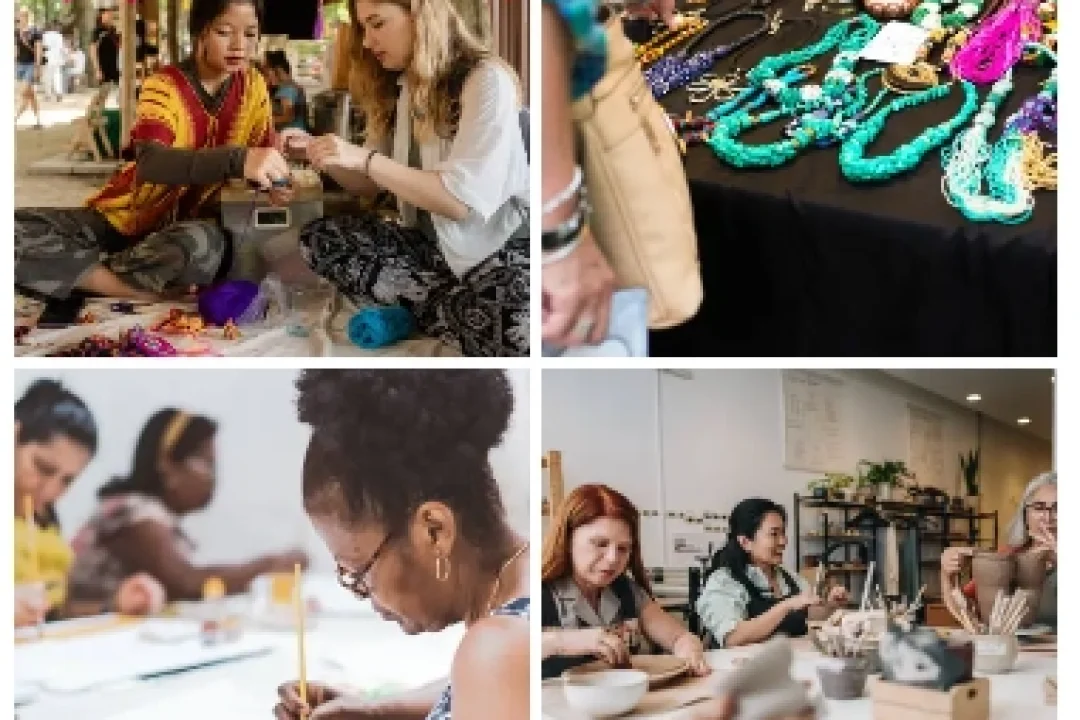
Bugis is home to many local artists and small creative studios. Painters, jewelry makers, and calligraphy artists all draw inspiration from the neighborhood.
I spent time visiting small galleries and studios where artists explored themes like identity, heritage, and modern life. These spaces are approachable and inviting, making art accessible to everyone while reflecting the creative heartbeat of Bugis.
Art in Festivals and Cultural Events
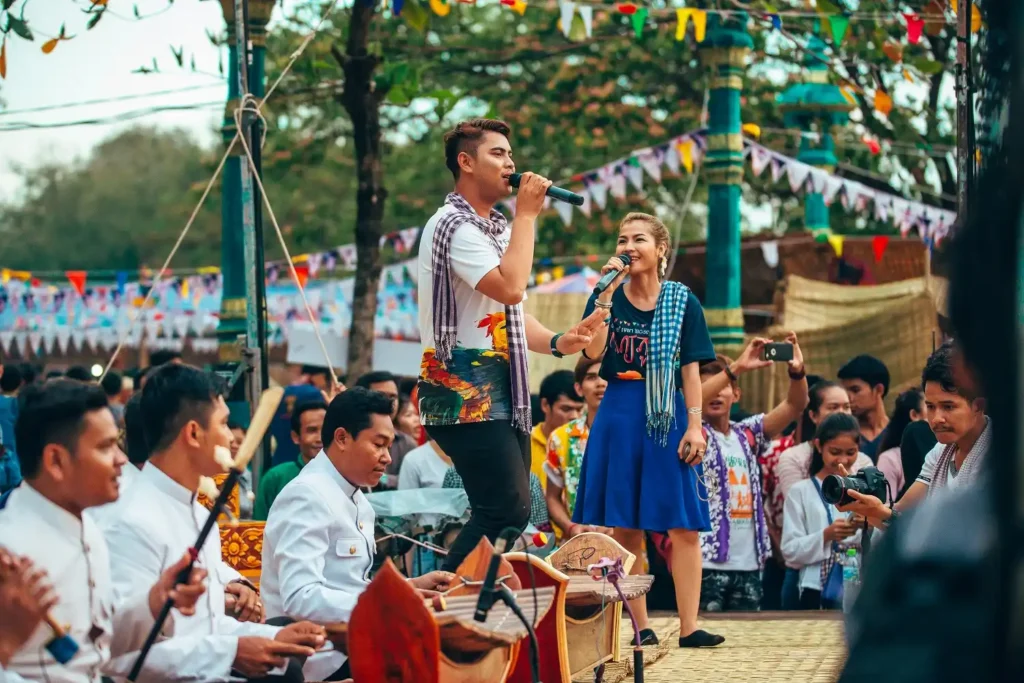
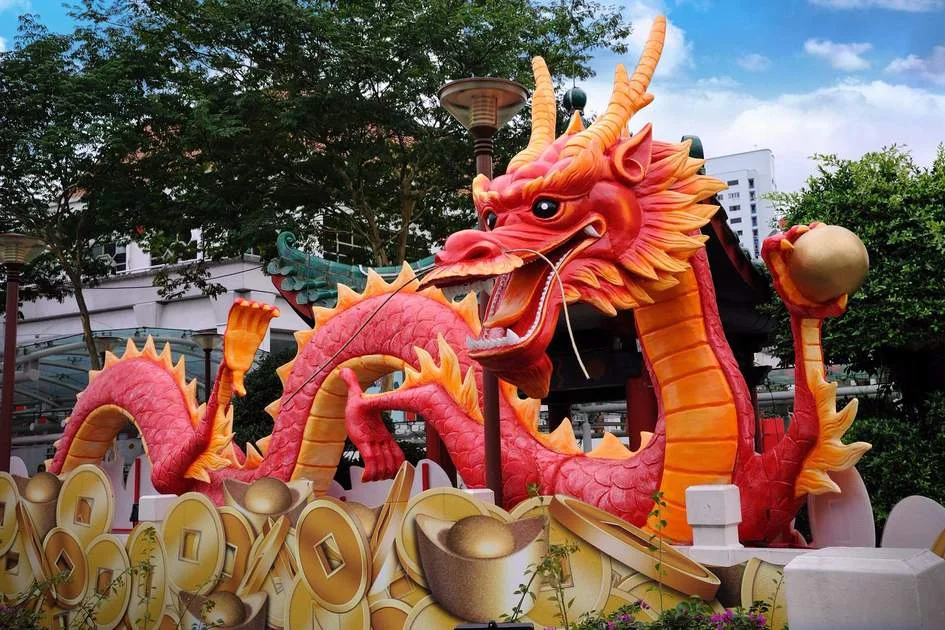
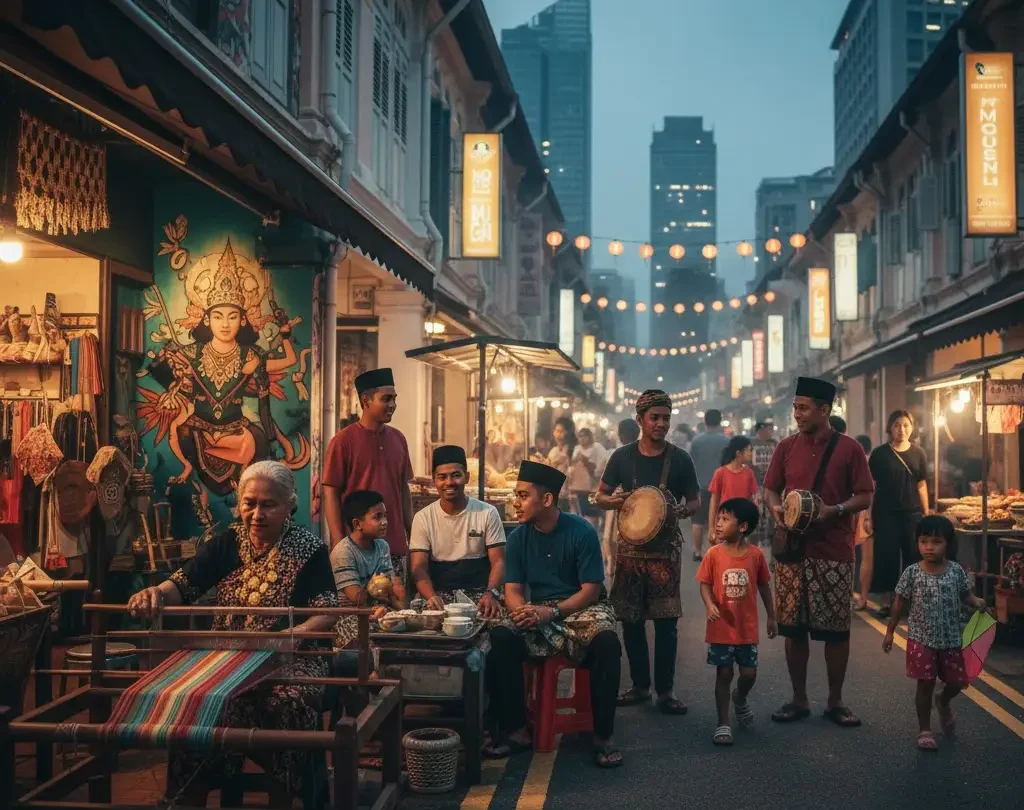
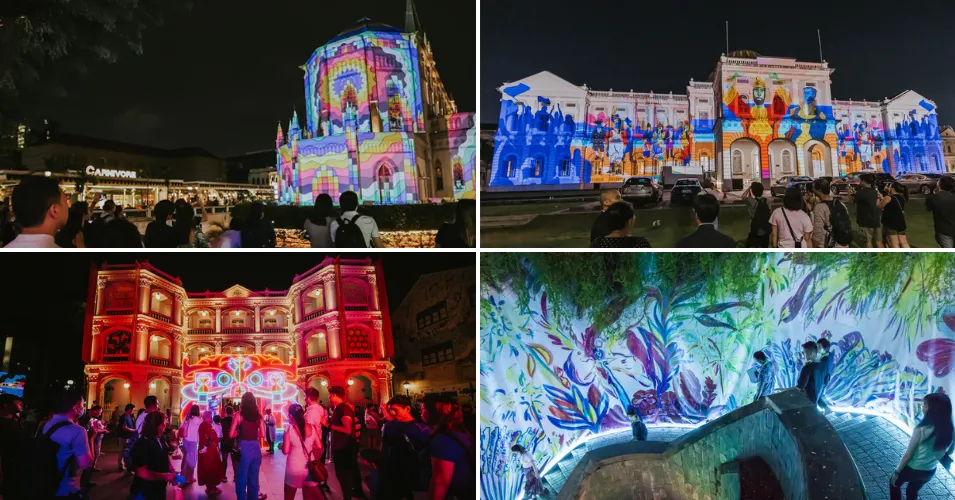
Art in Bugis also comes alive during festivals and community events. Lantern decorations, street installations, traditional dances, and music performances are all forms of artistic expression.
Observing these events, I realized that art in Bugis is not confined to objects or buildings, it extends to movement, participation, and collective celebration, allowing the community to engage creatively and preserve cultural traditions.
Hidden Details: Tiny Art Everywhere
Some of the most remarkable art is subtle and easy to miss. Painted steps, miniature murals inside cafes, decorative tiles, and intricately carved door handles all reflect Bugis’s attention to small details.
These tiny expressions reveal the neighborhood’s personality and creativity, showing that in Bugis, art is not just grand, it is present in everyday life, waiting for observant eyes to notice.
Bugis Culture: Living Traditions and Everyday Life
Bugis is not just a place to see, it’s a place to experience culture in motion. Every morning, afternoon, and evening, the neighborhood reveals different layers of its heritage. From the hum of markets to the quiet moments in temples and mosques, Bugis culture thrives in everyday routines, festivals, and the shared life of its people.
Multicultural Harmony
One of the first things that struck me was how seamlessly different cultures coexist. Malay, Chinese, Indian, and global influences blend naturally in Bugis, shaping language, dress, food, and festivals. Walking through the streets, you see this harmony in the interactions between shopkeepers and customers, families and neighbors, and during community celebrations.
This cultural blending is reflected in every aspect of life from street signs in multiple languages to the fusion of art and culinary practices. Bugis teaches visitors that diversity is not only celebrated but is the foundation of its identity.
Faith and Spiritual Life
Faith plays a central role in Bugis culture. Sacred spaces like Sri Krishnan Temple, Kwan Im Thong Hood Cho Temple, Sri Layan Sithi Vinayagar Temple, and Masjid Sultan are more than places of worship; they are centers of community life and cultural expression.
Morning prayers, temple festivals, and mosque gatherings shape the daily rhythm of the neighborhood. Observing these spaces, I saw how spirituality and art intertwine, with intricate carvings, decorative patterns, and rituals that reflect centuries of tradition. Faith in Bugis is alive, inclusive, and interwoven with everyday life.
Food as Cultural Expression
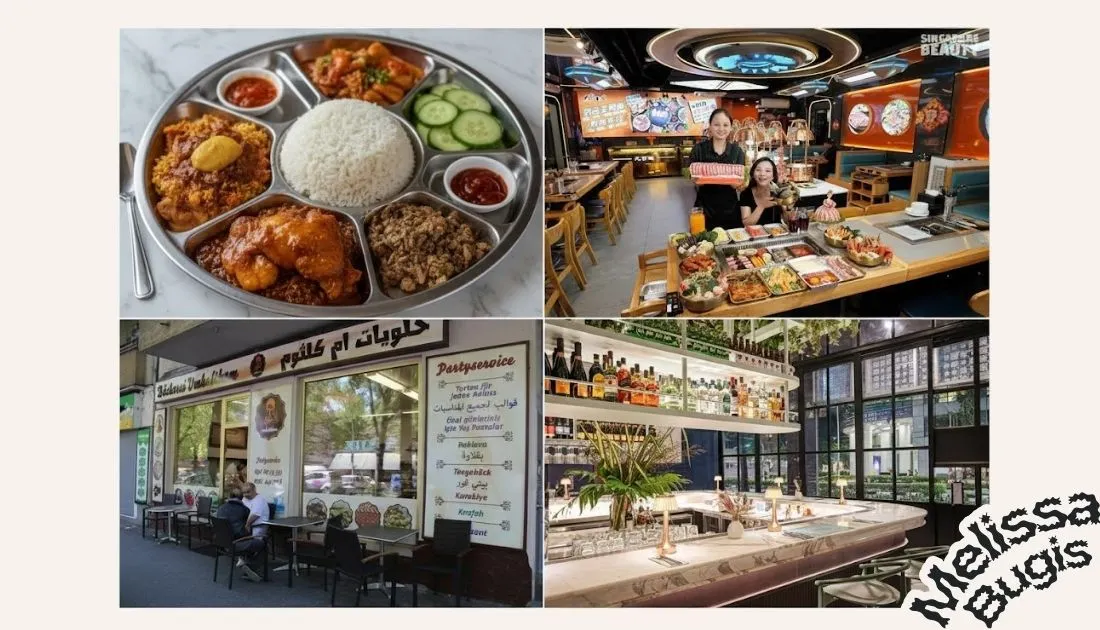
Food in Bugis is more than sustenance; it is a reflection of heritage and creativity. Hawker centers, family-run eateries, and modern cafés offer a variety of flavors that represent the neighborhood’s multicultural roots.
Traditional dishes are often prepared using methods passed down through generations. Street vendors carefully arrange ingredients, making even simple meals visually appealing. Participating in local food culture allows visitors to taste history, creativity, and community spirit all at once.
Daily Life and Social Interactions
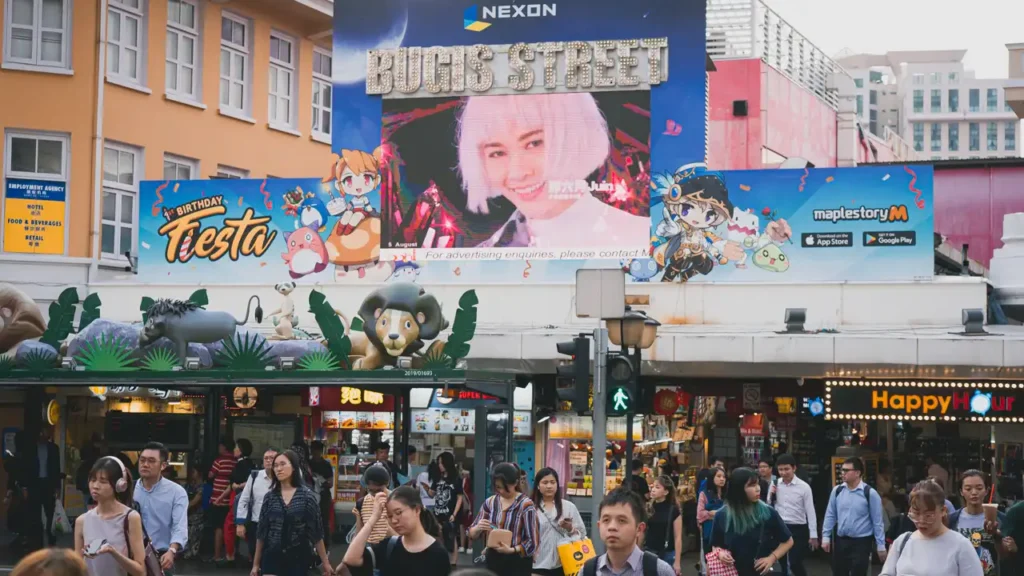
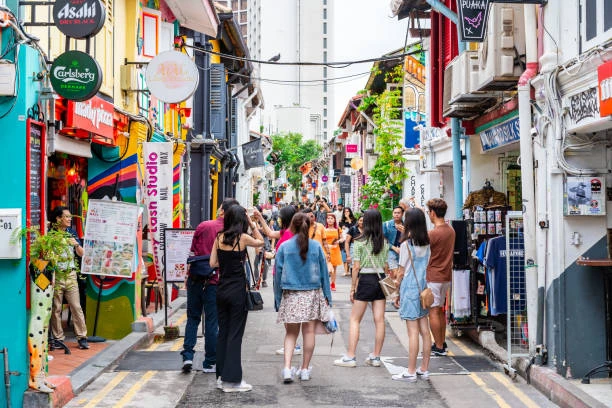
Bugis culture can be felt in the rhythm of daily life. Morning markets open with energy, shopkeepers greet regular customers by name, and streets gradually fill with students, workers, and tourists. By afternoon, the neighborhood hums with activity as people move between work, shopping, and socializing.
Evenings often bring quieter moments, with families walking through alleys, locals enjoying street performances, and small gatherings in community spaces. These routines show that Bugis culture values connection, rhythm, and balance, blending work, leisure, and social life seamlessly.
Festivals and Celebrations
Festivals in Bugis are vivid expressions of culture. From religious observances to national celebrations, the streets come alive with decorations, music, dance, and food. Lanterns, temporary installations, and traditional performances are common, offering both locals and visitors opportunities to participate in cultural traditions.
Observing these festivals, I noticed how the community preserves heritage while inviting everyone to join. Art, faith, and social life merge in these celebrations, showing that Bugis culture is interactive, inclusive, and dynamic.
Community and Craftsmanship
Community spirit is at the heart of Bugis culture. Local artisans, shopkeepers, and residents all contribute to maintaining traditions while embracing change. Crafts such as hand-painted signs, textiles, woodwork, and pottery are not only functional but also express cultural identity.
I spent time talking to local craftsmen, and each one shared a deep connection to their work. These creative practices, combined with daily interactions, make Bugis a neighborhood where culture is experienced firsthand, not just observed.
Hidden Cultural Gems
Beyond the obvious temples, markets, and murals, Bugis hides subtle cultural treasures. Small alleyways, family-run shops, and quiet corners reveal practices that have survived for generations. Observing these hidden gems gives visitors a deeper understanding of the neighborhood, showing that culture in Bugis is alive, layered, and accessible to anyone willing to notice.
Experiencing Bugis: The Heart of Art and Culture
Walking through Bugis has been a journey of discovery, curiosity, and connection. From the vibrant street murals to the intricate details on heritage buildings, and from the spiritual beauty of temples and mosques to the lively rhythms of everyday life, Bugis is a neighborhood that constantly tells stories.
Art and culture here are not confined to galleries or historical sites; they are woven into daily life. Every alley, shop, and market stall reflects the creativity, traditions, and shared experiences of the people who call Bugis home. For me, observing these details brought the neighborhood to life in ways that are both inspiring and humbling.
Why Bugis Stays in Your Heart
What makes Bugis truly special is how it balances history with modernity, tradition with innovation. You can admire centuries-old architecture, discover murals that capture local life, enjoy food that tells stories of heritage, and participate in cultural festivals all in one neighborhood.
Every visit feels unique because Bugis is alive, evolving, and yet deeply rooted in its traditions. The art you see and the culture you experience are inseparable; they are part of the same story, and part of the reason Bugis remains memorable to everyone who walks its streets.
Bringing Bugis Home With You
As I explored Bugis, I realized that experiencing its art and culture is not just about sightseeing, it’s about slowing down, observing, and connecting. The murals, temples, heritage buildings, markets, and even the smallest crafts all invite you to pause and appreciate the neighborhood’s soul.
For visitors, this means approaching Bugis with curiosity, openness, and respect. Take the time to notice details, taste local flavors, and engage with the people who keep these traditions alive. When you do, Bugis becomes more than a destination; it becomes a memory, an inspiration, and a story you carry with you.
Bugis Through My Eyes
Bugis has left an indelible mark on me. Its art teaches creativity and expression, while its culture teaches connection and community. Every mural, building, festival, and meal is a reminder that beauty often resides in everyday moments, waiting for those who pay attention.
For anyone curious about Singapore’s heritage, or simply looking for a neighborhood that blends creativity, history, and life in one seamless experience, Bugis is an invitation to explore, to feel, and to discover.
And for me, carrying Milo’s memory while wandering these streets, Bugis will always remain a place of curiosity, inspiration, and heart.